Challenge
Fitting Bulkier SF6-Free Technology into Compact Substations
To support its local grid expansion, utility giant E.ON needed to establish new consumer connection points rated up to 315 kVA. However, strict new environmental regulations mandated an immediate shift to eco-friendly, SF6-free medium-voltage equipment. The core challenge was spatial: these greenhouse gas-free RMU components require significantly more physical space than traditional models.
E.ON faced a multi-layered bottleneck: they had to adopt bulkier green technology quickly without increasing the standard footprint of their compact secondary substations, all while trying to avoid the heavy internal administrative burden of managing transport and coordinating multi-vendor materials.
Solution
Re-Engineered Compact Layouts with Full Logistics Ownership
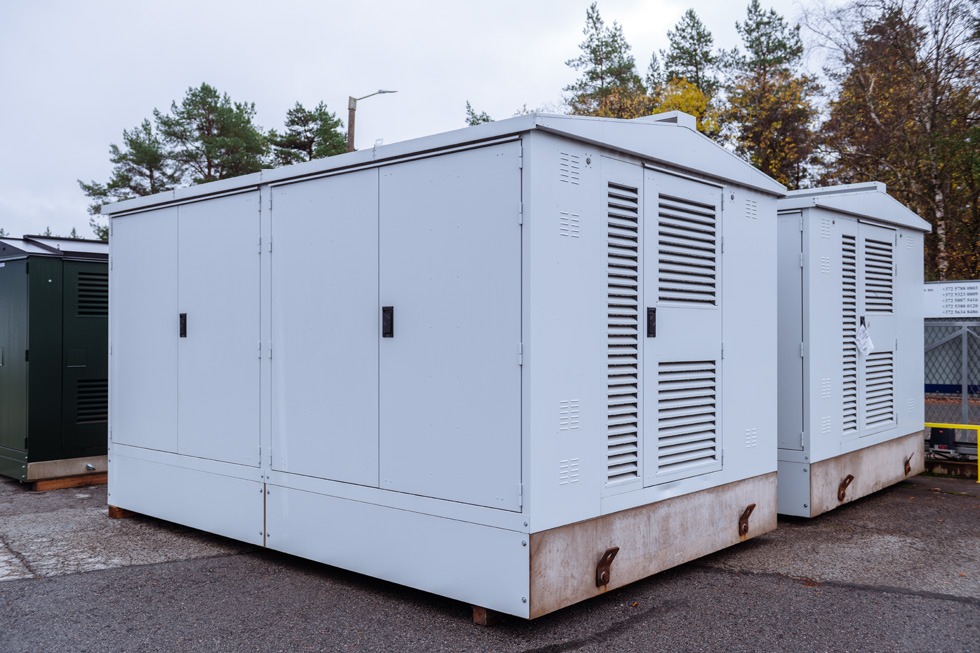
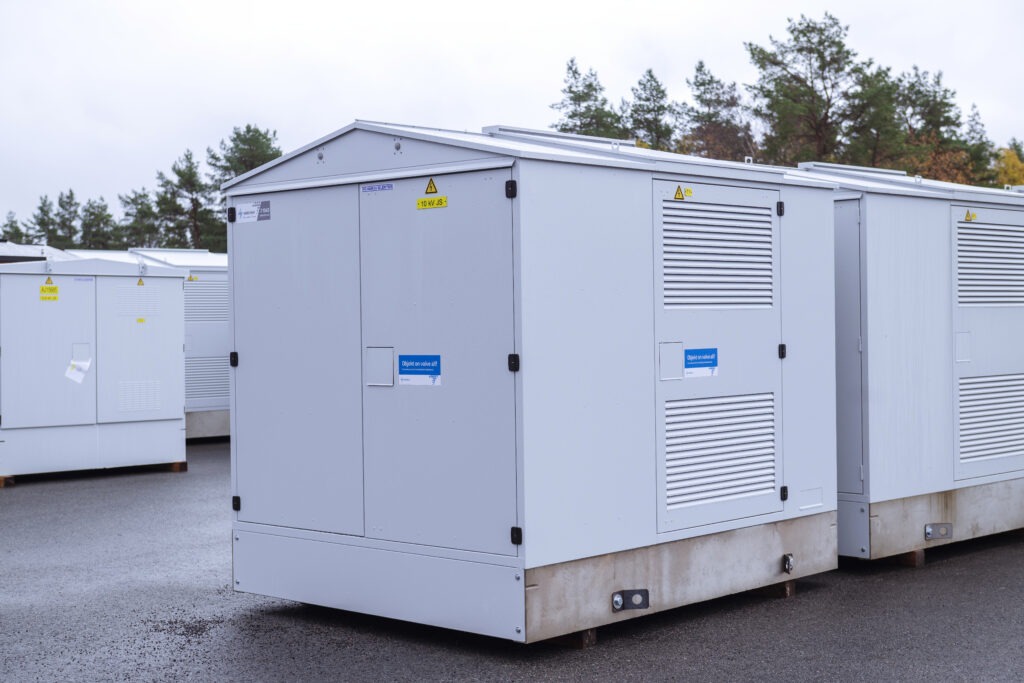
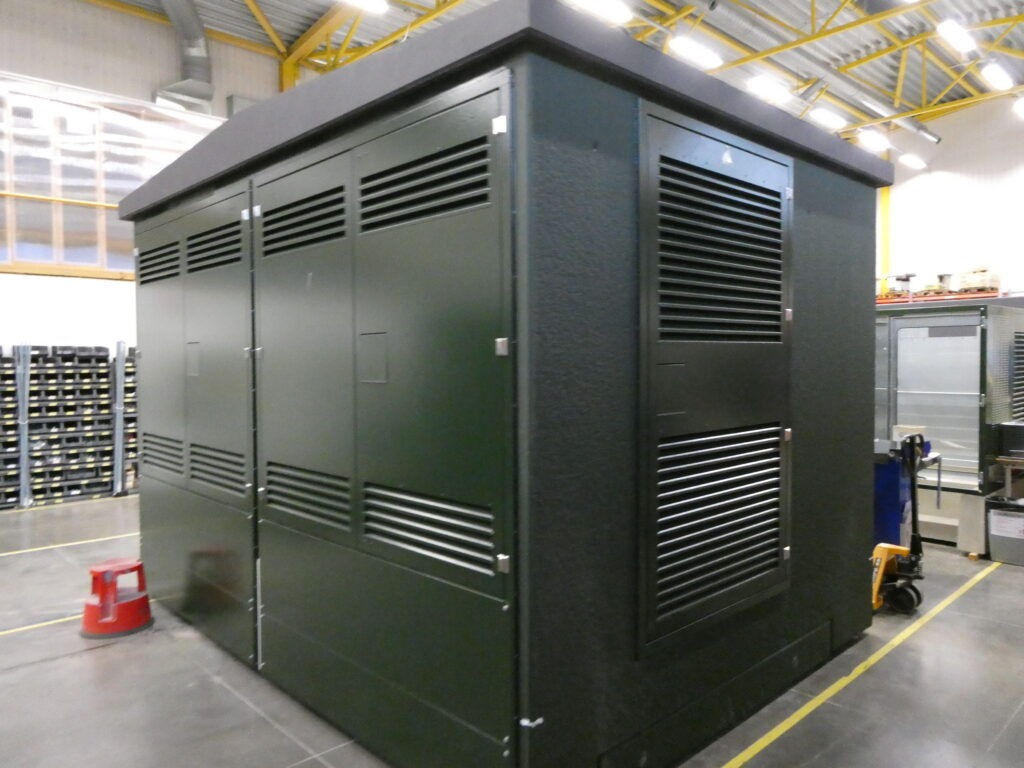
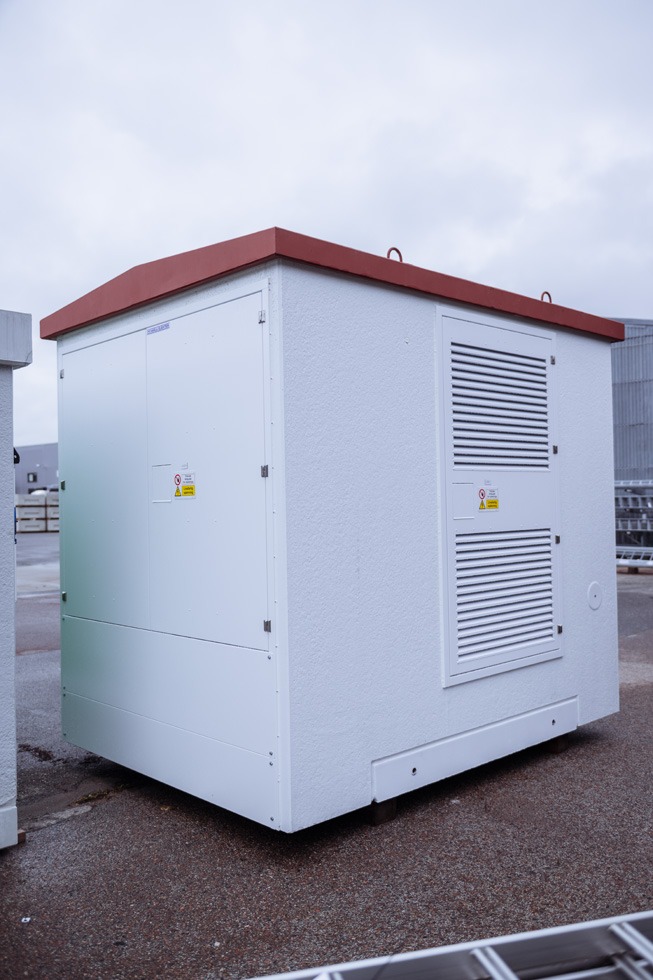
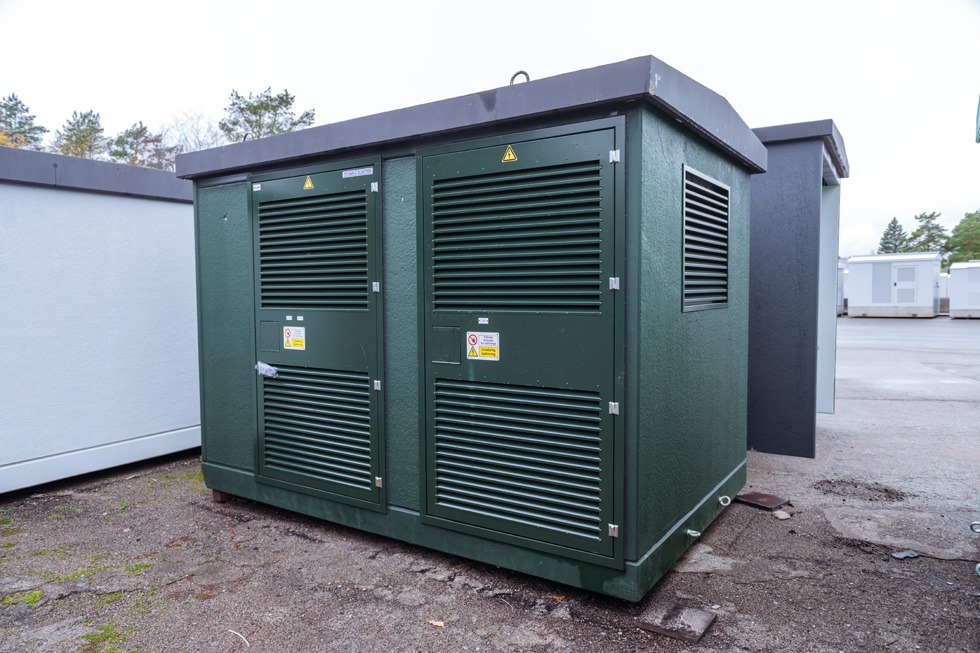
Harju Elekter developed a newly optimised configuration of the HEKA M sheet metal compact substation family. Our engineering teams re-imagined the internal spatial layout, modifying an existing field-proven model to fit the larger SF6-free RMU, a 315 kVA transformer, and the low-voltage secondary panels into a single, highly compact enclosure.
To validate safety under these new physical constraints, we fast-tracked engineering and successfully passed full type-tests for Internal Arc safety (14 kA / 1s). Simultaneously, we took full operational ownership of the supply chain, handling all transport logistics and coordinating the arrival of customer-supplied materials within our own facilities.
Result
Frictionless, Plug-and-Play Compliance Accelerates E.ON’s Grid Rollout
E.ON successfully expanded its network on schedule, deploying a certified, environmentally friendly, plug-and-play asset that perfectly satisfies new green laws. By transferring the technical redesign, rigorous safety validation, and cross-party component logistics entirely to Harju Elekter, the project avoided delays and required minimal customer involvement.